
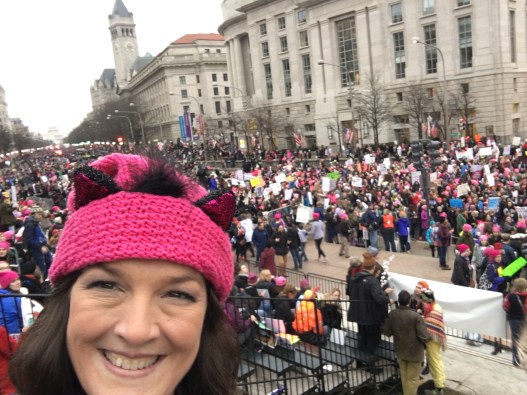
The Hill | Why women are marching on Washington
January 21, 2017
Dabney P. Evans, an assistant professor and director of the Institute of Human Rights at Emory University, provides insight on the purpose of the Women’s March on Washington.
The Hill | Why women are marching on Washington
January 21, 2017
Dabney P. Evans, an assistant professor and director of the Institute of Human Rights at Emory University, provides insight on the purpose of the Women’s March on Washington.

The Hill | 4 big international stories of 2016
December 29, 2016
Emory University professor Dabney P. Evans, together with Lara S. Martin of Emory’s Center for Humanitarian Emergencies (of which Evans is director), wrote “Doctors are dying in Syria,” detailing the number of attacks against hospitals in the war-torn country.
Dabney P. Evans appears on a panel discussing the impact of the recent elections on public health.
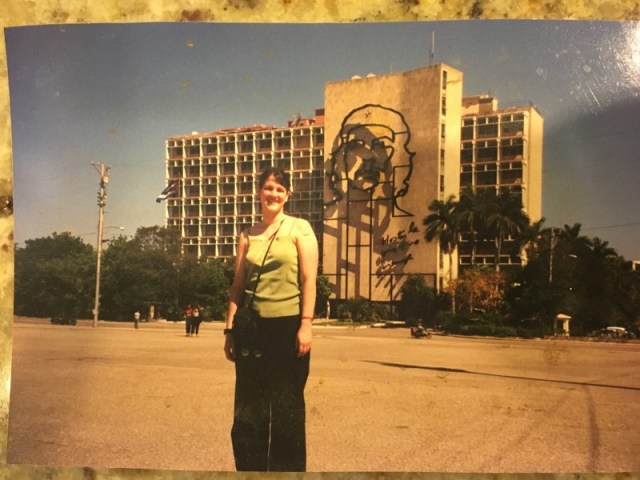 Atlanta Journal Constitution | Emory assistant professor tells of meeting with Fidel Castro
November 26, 2016
Dabney P. Evans, an assistant professor at Emory University’s Rollins School of Public Health, recounts a 2006 meeting with Fidel Castro as part of a group visit to learn about the Cuban public health system.

The Hill | What President Trump means to the future of human rights
November 10, 2016
Dabney P. Evans, an assistant professor and director of the Institute of Human Rights at Emory University, provides commentary on the future of human rights in light of the election results.
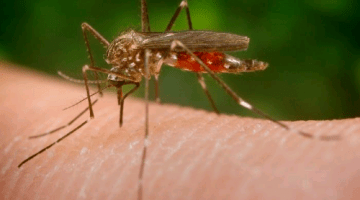
Many parts of Brazil also feature a very warm climate, crowded living conditions and poor sanitation — all conditions under which the Aedes mosquito thrives, Evans said.
“You can imagine the water and sanitation systems in the underdeveloped regions of Brazil might leave more room for mosquitoes to breed,” she said. “That may have been the kindling that lit the fire.”
Quoted in Zika: Why Brazil, Why Now, MedicineNet.com August 4, 2016

HealthDay | Zika won’t pose risk at the Olympics: health experts
August 3, 2016
Rio has not suffered significantly from Brazil’s Zika epidemic, which began last year. And that may be why the city itself should not contribute to a global threat, said Dabney P. Evans, an assistant professor of global health with Emory University’s Rollins School of Public Health in Atlanta. Public health officials warn that America still needs to improve its response to the virus. “We’re kind of tempting fate by not taking action, because this disease is spreading and it’s coming north and it’s coming to the U.S.,” Emory’s Evans said.
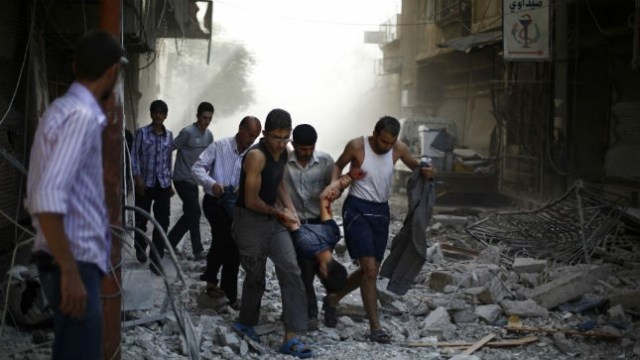
The Hill | Doctors are dying in Syria
May 6, 2016
Dabney Evans, assistant professor of global health and director of the Emory University Center for Humanitarian Emergencies, and Lara Martin, programs manager at the Emory University Center for Humanitarian Emergencies, discuss the latest effects of another Doctors Without Borders clinic bombing.

Dabney P. Evans is quoted in this piece from Medical Economics.
Healthcare in the United States is regarded in many ways as a luxury, not a right –“we literally call it a benefit,” Evans points out. In the final analysis, she says, Americans need to decide if there is a right to health and health insurance, and, if so, how that can be achieved in this country. “That’s the question that no one is asking but we all should be asking ourselves.”
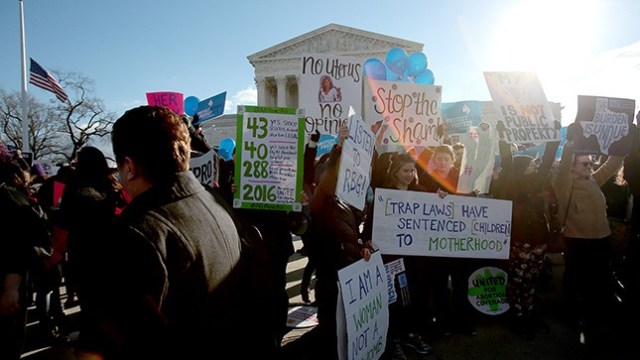
Photo credit: Greg Nash/The Hill
The Hill | Abortion law in Supreme Court case puts miles between women and providers
March 4, 2016
In an opinion piece, Dabney P. Evans, PhD, MPH, assistant professor of global health at Emory University, provides insight into laws that are creating geographic limits on abortion services in Southeastern states.
 Dabney P. Evans, PhD, MPH